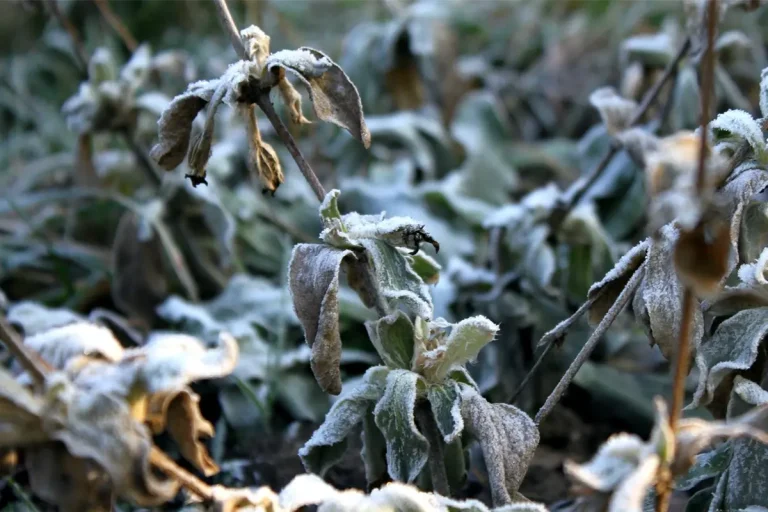

Your landscape looks horrible. Most of your plants – even some of your evergreen perennials – look like a herd of elephants stomped through them. Your lawn has turned yellow and brittle. In fact, your entire landscape and yard look pretty ragged and ugly.
What to do? If may seem counter intuitive, and your patience may be sorely tested by this advice, but the real answer is…do nothing until spring.
Why would you want to do that? While the plant looks dead, the roots are very likely very much alive. The above-ground part of the plant actually helps insulate the roots. Cutting them back before the last frost may damage the root system. It may look unsightly, but it’s a lot less costly and troublesome than replacing them.
General practices
- Water plants thoroughly before a freeze. Moist soil retains heat longer.
- Be patient. Don’t get carried away and begin cutting back winter damaged plants before early spring.
- Mulch well.
- Choose plants that are suitable for USDA zones 9 and 10.
- Move your potted plants indoors.
Annuals
You can probably forget about any annuals you have in pots. They are most likely “gone pecans”. But those annuals you have planted directly in the ground may, and most probably will, survive. You can remove and dispose of the potted ones. The root systems of the ones you have in the ground are probably still active. Remove the dead stems at ground level. The plant will most probably pop up again in spring and rebloom.
Perennials
Do not remove the above ground growth until the last frost, even if it looks dead. The roots are still active, and the above ground stems and dead leaves are helping to insulate the roots. Wait until spring. Undamaged stems will sprout. Then, you can prune the dead stems and begin to shape your plant.
Shrubs
Native hollies (American, Yaupon, Dahoon, Winterberry hollies) will do fine, with maybe a few brown leaves on the ends of branches. Trim the dead leaves off at the stem, and you’ll be fine.
- Azaleas: don’t cut back damaged foliage until new shoots appear in the spring. Most azaleas will shed dead leaves on their own.
- Camellias: These beautiful plants (not native, but worth having) are particularly sensitive to winter sunlight and cold winter winds. Water your camelia well before the first hard freeze. Moist soil protects the roots, so water well before freezing. Mulch before a freeze. In the early spring, prune away damaged growth.
- Hydrangeas: Mulch before freezes. Most hydrangeas are not susceptible to freezing and form a good root system. You will probably have above ground damage, but new shoots will form on the stem in early spring. Prune back to the sprout, water and fertilize. If you have any questions about your plant winter damage, please email me at bobdailey.gulfcoastgardening@gmail.com