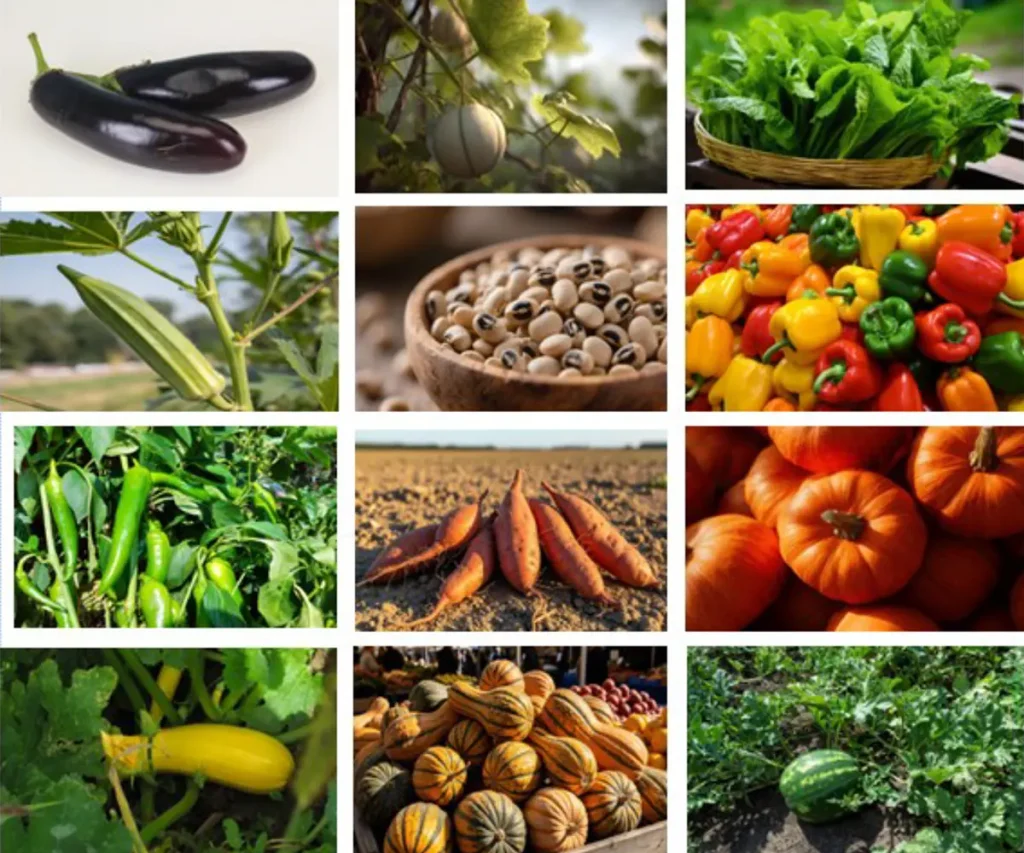
Now’s the time to start planting your summer garden—that is if you live in USDA Cold Hardiness Zone 9a and 9b.
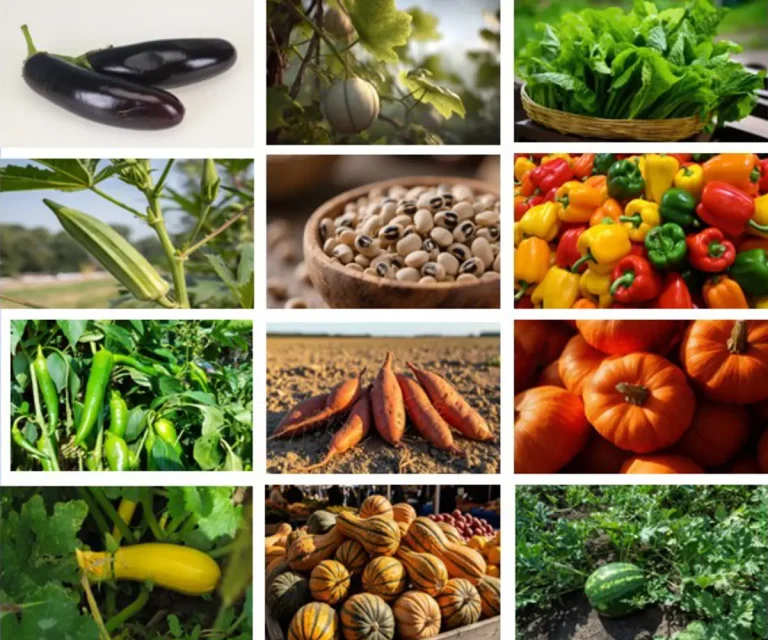
Here are some handy tips for the plants above:
Cantaloupe
High in Vitamins A and C, antioxidants and potassium.
Plant seeds 1 inch deep. Plant three or four seeds in each hole, and each hole 2 to 3 feet apart. When the seedlings emerge, cut out the weaker seedlings and leave one seedling for each hole.
Eggplant
High in antioxidants, Vitamins A and C, potassium, magnesium, and phytonutrients.
Plant seeds 1/2 inch deep and about 24 inches apart. That’s because the mature plant will spread that far, and you don’t want to crowd them. Seeds should sprout within seven to 14 days. If you prefer, you can buy seedlings at your nursery. An eggplant usually grows to about three feet tall. You can probably expect harvest between 70 and 90 days.
Mustard Greens
High in Vitamins A, C, and K, calcium, iron, antioxidants and folate, Plant seeds 1/2 inch deep and 6-12 inches apart. Seedlings should emerge between 5 to 10 days. Put two or three seeds at each spot.
Peppers
Since peppers are slow starters, buy seedlings from your nursery. Instead of planting seed. If you have a greenhouse or an indoor grow light, you can start them from seed much earlier.
- Hot Peppers: Contain capsaicin, which aids in pain relief and boosts metabolism. Hot peppers also contain Vitamins A and C, as well as potassium, antioxidants, and folate.
- Sweet Peppers: Vitamins A, C, and B6, folate and antioxidants.
Pumpkins
High in Vitamin C, Beta Carotene, potassium, magnesium and folate. Plant seeds 1/2 inch deep, and 36-48 inches apart. Many gardeners prefer to build mounds and then plant three or four seeds in each mound and then cut out the weaker seedlings.
Southern Peas
Great source of protein, Vitamins A, C, and K, iron, magnesium, potassium and antioxidants. Plant in rows about two inches deep and 4 to 6 inches apart. Make rows 24 to 36 inches from each other. Besides being nutritious, southern peas are legumes and fix nitrogen in the soil.
Squash
High in Vitamins A, C, and E, potassium, and antioxidants. Plant seeds 1/2 inch deep and 24-48 inches apart. Place three or four seeds in each hole and then snip out the weaker seedlings (better to use a scissors or snipping tool instead of pulling the weaker ones out).
There is no difference between the time you plant winter and summer squash. The reason they’re called that is not when they are planted, but when they are eaten. All squash should be planted at the same time and manner. Summer squash is eaten when they are ripe because of their softer and thinner skin. Winter squash (because of its tougher skin and longer lasting flesh), is eaten later in the year.
Sweet Potatoes
High in Beta Carotene, Vitamins B and C, potassium and manganese. They’re grown by slips (check with your local nursery or seed catalogues to get slips). Plant each slip 3 to 5 inches deep and 12 to 16 inches apart. Harvest between 90 and 120 days after planting.
Watermelon
High in Vitamins A and C, amino acids and antioxidants. Plant seeds 1/2 inch deep and 36 –48 feet apart. Seeds should geminate between 5 and 10 days. Harvest will be be-tween 70 and 90 days.